

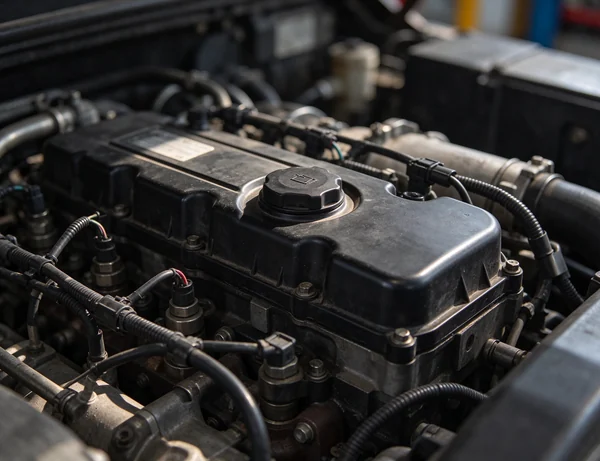
Short answer: an MC07 that uses oil does so through one of only four paths — out of a seal, past the piston rings into the crankcase and out of the breather, through the valve guides, or through the turbocharger shaft seal. You can tell them apart without dismantling anything: measure the consumption properly, then look at the breather, the intercooler pipe and the exhaust colour. Each of those three observations points to a different repair.
Drivers usually report it as “the oil disappears” and add a litre every few days without recording anything. Without a measured rate you cannot tell a worn engine from a leaking seal, and that is how a T5G ends up with new rings for a leaking turbo seal.
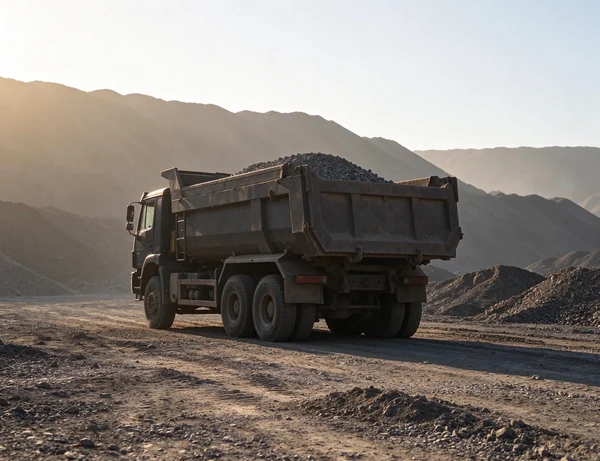
Do this before any diagnosis, because every later decision depends on the number:
Two reference points worth carrying in your head: consumption under about 0.3 % of fuel used is normal for a hard-worked engine, and anything above roughly 1 % is a fault that needs a root cause before the next oil change. Between the two, trend it — a slow rise over several months tells a different story than a sudden jump after one repair.
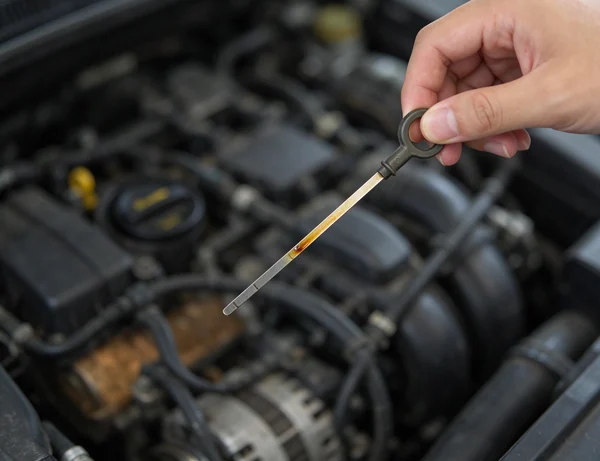
This is the cheapest fault and the easiest to rule out. Look for:
A rear main seal leak on these engines often gets misdiagnosed as a sump gasket because oil collects at the lowest point of the bell housing. Clean the area completely, run the engine for twenty minutes, and look again. Where the oil first appears is the leak.
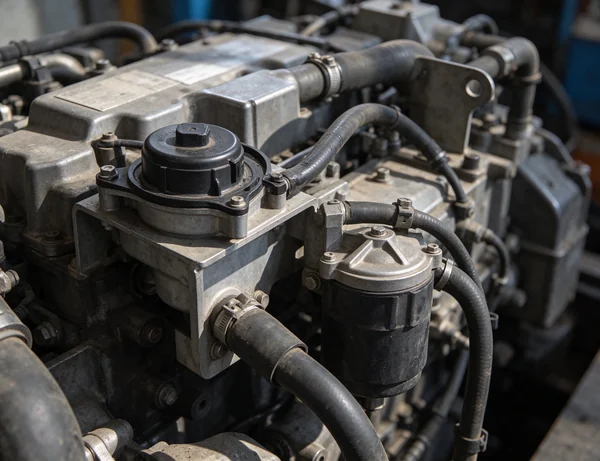
Ring wear does not only show as smoke. It shows as pressure in the crankcase, and the breather tells you about it:
The turbo is fed oil at full engine pressure and drains it back to the sump by gravity. Two things go wrong:
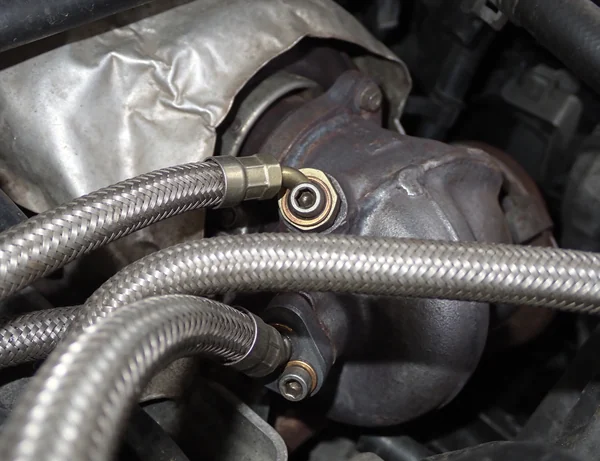
The tell-tale is the intake tract. Remove the boost hose at the compressor outlet and wipe the inside with a clean white cloth. Light oil mist is normal on a high-mileage engine; a wet, dripping film is not. Do the same at the intercooler outlet to see how far the oil has travelled.
| Observation | What it points to | What to do next |
|---|---|---|
| Blue smoke only on cold start, clears within a minute | Valve guide seals | Cylinder head work; confirm with a leak-down test and valve inspection |
| Blue smoke under load, worse when hot | Piston rings, glazed liners | Compression and blow-by test before strip-down |
| Constant light smoke plus oil in the breather | Ring wear plus crankcase pressure | Measure blow-by; plan a top-end overhaul if it is out of spec |
| Smoke only after idling for a long period | Guide seals or turbo drain, not rings | Road test with a sustained load and re-check |
| Condition | Repair | Replace / overhaul |
|---|---|---|
| Breather element blocked | New element, clean the housing | — |
| Turbo return line restricted | Clear or renew the line | Turbo only if the seal is already passing oil into the intake |
| Valve guide seals worn | Head off, seals and guides renewed | Head replacement if the guides are badly worn in the casting |
| Rings worn, blow-by high | — | Piston and liner kit at the next planned overhaul |
| Rear main seal leaking | Seal renewal, check crankcase pressure first | — |
Consumption percentages quoted are general reference values for this engine family. Confirm the acceptance limit, oil grade and torque values in the OEM workshop manual for your specific build.
Please contact our team for personalized maintenance guidance and technical support for your Sinotruk HOWO, A7, or T7 trucks. We provide professional advice and recommendations for genuine parts to help ensure the reliable operation of your fleet.
Contact Us
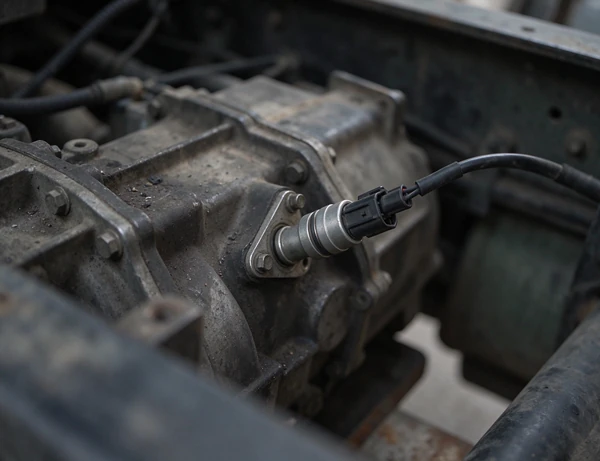
Whenever your truck needs repair, you don’t know how to buy the right parts?
Don’t worry, we have already done this job for you. We have a complete parts list catalog for different models of each truck assembly, you can choose the right catalog to download and collect according to your truck configuration.
When you have a need, you can send us your required list based on this catalog.
Obtain the complete Howo truck parts catalog PDF file and pricing.
Contact Us
2001-2026 Shandong Yimo Auto Sales Co., Ltd. © All rights reserved.


