

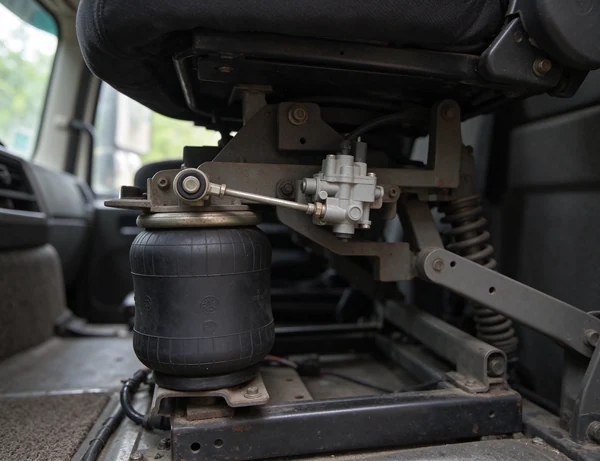
Short answer: a soft pedal on a HOWO T7H is a pressure problem, not a lining problem. In most cases the circuit is holding less air than the pedal is asking for, because of a leaking foot brake valve, a spring chamber that has crept out of adjustment, or air sitting in a line that nobody bled after the last repair. Work the circuit in order — stored pressure, static leak rate, valve exhaust, then pushrod stroke — and you find it in about twenty minutes with a pressure gauge and a bottle of soapy water.
The T7H runs a dual-circuit air system with a treadle valve feeding front and rear circuits separately. That split is useful: if the pedal is soft but the truck still stops on one circuit, the fault is usually in the circuit that has lost air, not in the valve body itself. Read the two circuit pressures separately before condemning anything.
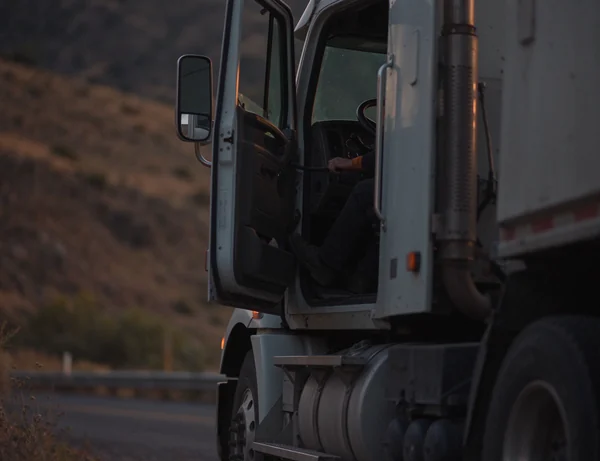
Three words get used for the same complaint and they mean different things. Get the driver to describe the pedal precisely, because the words point at different parts of the system:
Write down which circuit drops. On the T7H the front and rear circuits have separate reservoirs and separate warning switches. A gauge on each circuit while the driver holds the pedal tells you which half of the system is losing pressure, and that halves the search.
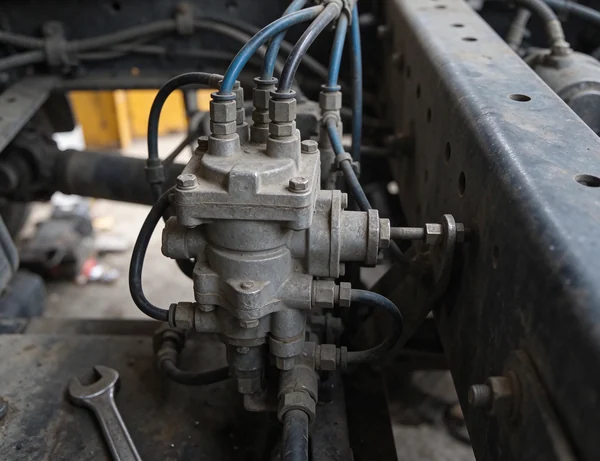
Air gets into an air brake system through two doors: a line that was opened and refilled without bleeding, and a reservoir that ran dry long enough for the compressor to push vapour through. Once air is in, the pedal feels spongy because air compresses where fluid would not.
Bleed at the furthest point from the valve, one wheel at a time, with the reservoir held at working pressure and a helper holding the pedal down while you crack the bleeder. Close the bleeder before the pedal returns, or the system pulls air straight back in. Repeat until the stream is air-free, then re-check the static leak rate — bleeding does not fix a leak, it only removes the symptom the leak created.
| Symptom | Air-side cause | Foundation-side cause |
|---|---|---|
| Pedal long, brakes weak | Low reservoir pressure, leaking valve | Pushrod stroke too long, automatic adjuster not ratcheting |
| Pedal sinks while held | Internal leak in treadle valve or relay valve | Rare — check for a leaking wheel cylinder on hydraulic-equipped axles |
| Pedal long only when hot | None | Drum expansion, glazed linings, dragging brake |
| One wheel locks, others weak | Restricted line or faulty quick-release valve | Oil-contaminated lining on that wheel |
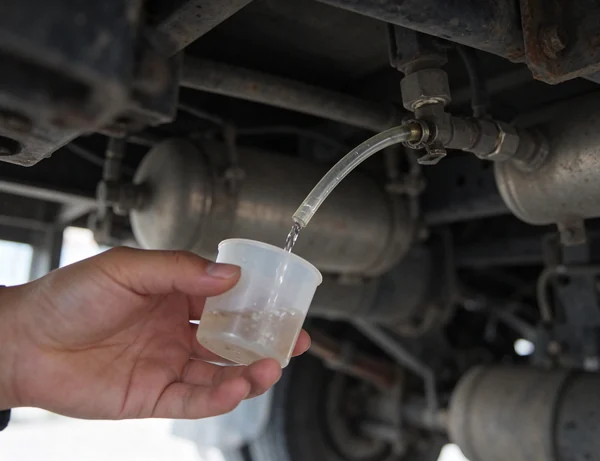
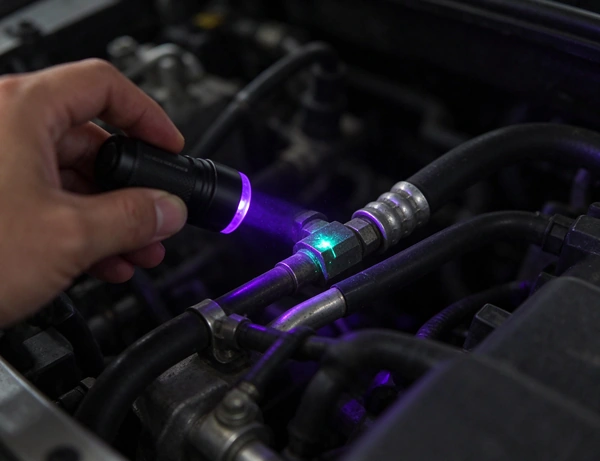
If the same complaint returns after a repair, one of three things was missed: the air dryer was never serviced, so moisture kept entering the circuit; the treadle valve was cleaned instead of replaced, so a scored seat kept passing; or the compressor is pumping oil past its rings, and oil in the air system ruins every rubber seal it touches. Oil in the reservoir — a black film on the drain valve — is the giveaway, and it means the dryer cartridge and the compressor both need attention.
Air pressure limits, pushrod stroke dimensions and leak-rate limits vary by build and by local regulation. Confirm the figures for your chassis in the OEM workshop manual before adjusting any brake component.
Please contact our team for personalized maintenance guidance and technical support for your Sinotruk HOWO, A7, or T7 trucks. We provide professional advice and recommendations for genuine parts to help ensure the reliable operation of your fleet.
Contact Us
Whenever your truck needs repair, you don’t know how to buy the right parts?
Don’t worry, we have already done this job for you. We have a complete parts list catalog for different models of each truck assembly, you can choose the right catalog to download and collect according to your truck configuration.
When you have a need, you can send us your required list based on this catalog.
Obtain the complete Howo truck parts catalog PDF file and pricing.
Contact Us
2001-2026 Shandong Yimo Auto Sales Co., Ltd. © All rights reserved.


