

Short answer: The DPF differential pressure sensor reports the pressure difference across the filter, and the ECU uses it to decide when to regenerate and when to declare a blockage. A sensor with a blocked port, a cracked hose or a drifted zero reports a blockage that does not exist, and the workshop then cleans or replaces a healthy filter. Compare the reported value with a gauge measurement before any DPF work.
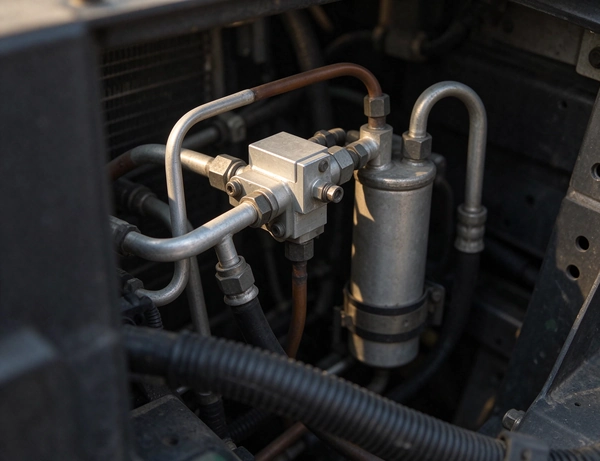
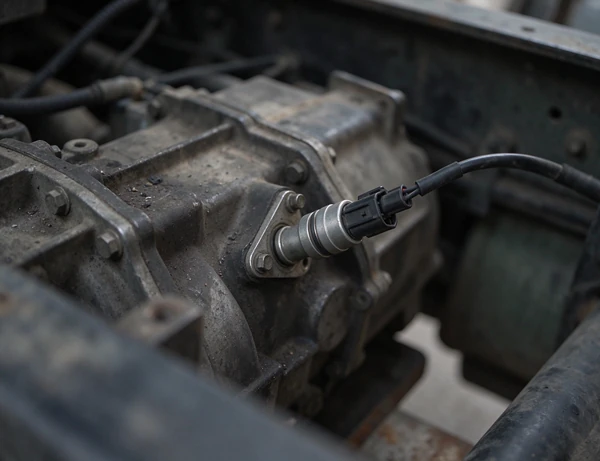
The sensor has two pressure ports connected by small hoses to points before and after the filter. Those ports block with soot, and the hoses crack with heat, so the most common fault is not the sensor itself but its plumbing.
A genuine blockage and a false reading look identical on the dash. The difference is only visible when the reported value is compared with a measured one.
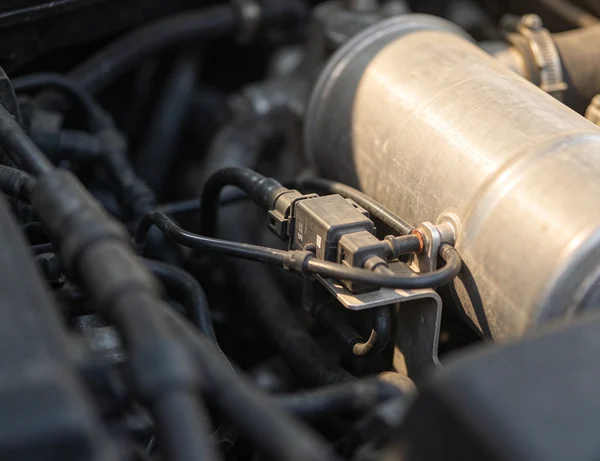
Read the differential value from the diagnostic tool at idle and at a steady load, then measure the actual pressure difference with a gauge at the same points. A large disagreement proves the sensor path, not the filter.
If the gauge shows a normal difference and the sensor shows a blockage, clean the ports and check the hoses before replacing anything.
A filter that is blocked generates high differential pressure at load, high exhaust temperature and frequent regeneration attempts that complete quickly. The backpressure gauge will confirm it.
Blockage is caused by duty cycle, by a leaking injector adding soot, or by a failed regeneration that never completed. Cleaning the filter without fixing the cause means it blocks again within weeks.
| Reported vs measured | Conclusion | Action |
|---|---|---|
| Sensor high, gauge normal | False reading | Clean ports, check hoses |
| Sensor and gauge both high | Real blockage | Clean or replace filter |
| Sensor negative | Hoses swapped or open | Correct the plumbing |
| Sensor low, gauge high | Sensor under-reading | Replace sensor after checks |
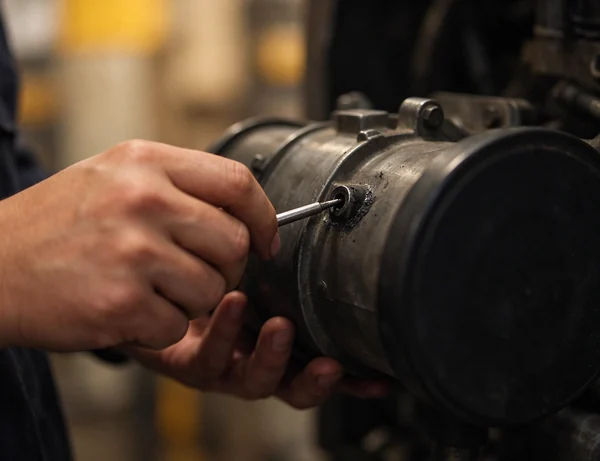
After any DPF work, check the injectors and the turbo for oil or soot sources, verify the regeneration history and confirm the differential reading is sensible. A filter that blocks twice in a season has a cause that has not been found.
Fit the correct sensor and route the hoses so they do not touch the hot filter housing. A hose that is heat damaged cracks within a few hundred hours.
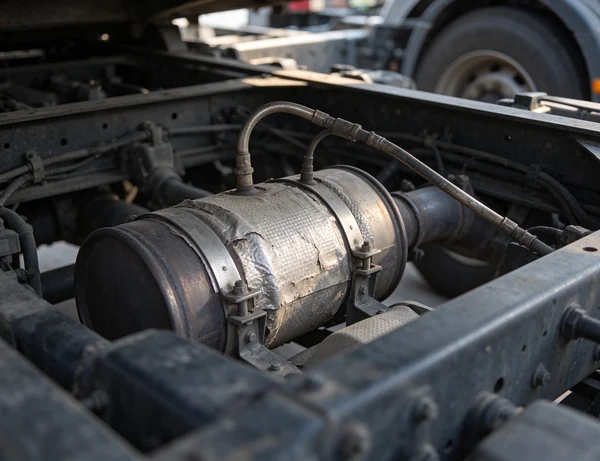
Sensor values, port locations and part numbers are system specific. Confirm them in the OEM manual.
Please contact our team for personalized maintenance guidance and technical support for your Sinotruk HOWO, A7, or T7 trucks. We provide professional advice and recommendations for genuine parts to help ensure the reliable operation of your fleet.
Contact Us

Whenever your truck needs repair, you don’t know how to buy the right parts?
Don’t worry, we have already done this job for you. We have a complete parts list catalog for different models of each truck assembly, you can choose the right catalog to download and collect according to your truck configuration.
When you have a need, you can send us your required list based on this catalog.
Obtain the complete Howo truck parts catalog PDF file and pricing.
Contact Us
2001-2026 Shandong Yimo Auto Sales Co., Ltd. © All rights reserved.


