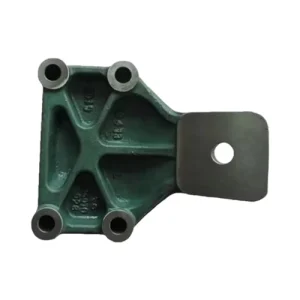
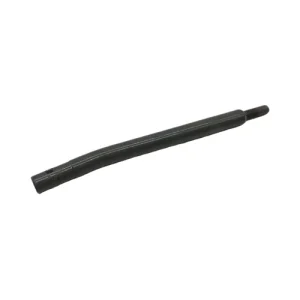
Short answer: a cab that sits low, leans to one side or rides harshly is almost never a set of four failed air springs. The usual causes are a single leaking spring, a level valve linkage that has been bent or knocked out of position, or a valve that keeps venting because it can no longer hold its internal seal. Check the linkage before the springs — it takes minutes and it is the part most often disturbed during other repairs.
The four-point cab suspension on this truck family is a closed height-control system: the level valve measures the gap between cab and frame and adds or releases air to hold a fixed height. When that measurement is wrong, everything downstream misbehaves.
QUICK DIAGNOSIS — three checks, cheapest first
- 1Level valve linkage bent or disconnected. The valve “thinks” the cab is low and keeps adding air.
- 2One air spring leaking. The valve compensates until it runs out of range and the cab leans.
- 3Valve exhausting continuously — an internal seal has failed, and the cab settles overnight.
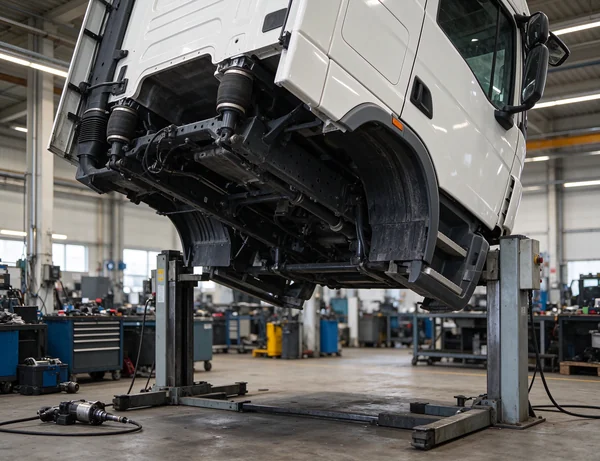
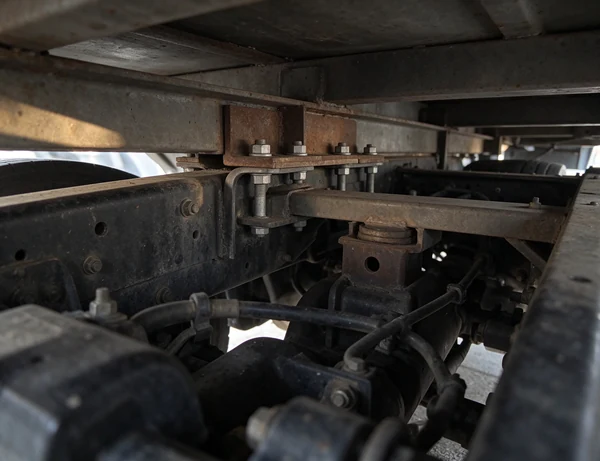
Cab raised for service. The four suspension points and the level valve are all accessible from here.
1. Describe the behaviour, because each pattern has one cause
- Settles overnight, level in the morning after starting — a slow leak, either a spring or a valve seat. Normal behaviour is a small settle; a cab that sits on the bump stops is not normal.
- Leans to one side while running — one spring weak or leaking, or one linkage misadjusted so that side is being controlled at a different height.
- Rides harsh, bangs over joints — springs inflated too high (valve holding the cab above its design height) or the shock absorbers are finished.
- Hisses repeatedly at idle — the valve is hunting, which means the linkage is moving or the valve is leaking internally.
- Cab noise and vibration at speed — check the mount rubbers and the shock absorbers before blaming the springs.
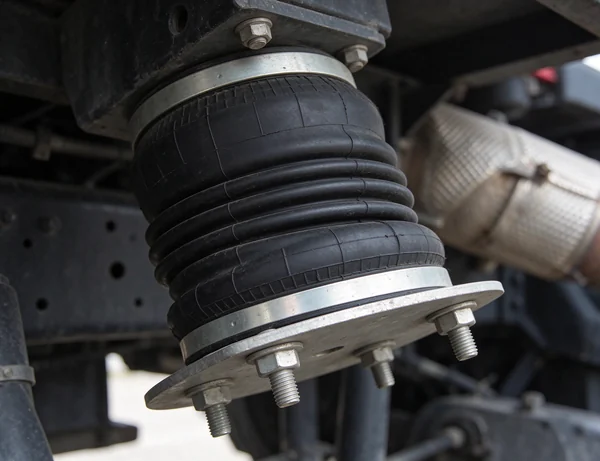
A cab air spring. Cracks at the roll of the bellows are the first thing to look for.
2. The five-step check
- Measure the height on both sides. With the engine running and the system charged, measure from a fixed frame point to a fixed cab point on each side. A difference between left and right tells you which side to investigate, and gives you a number to compare after the repair.
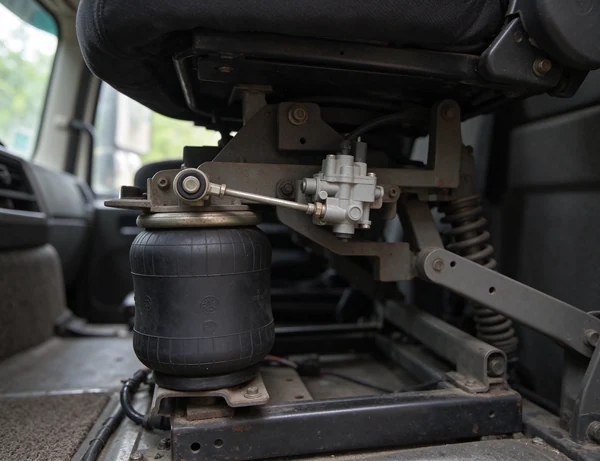
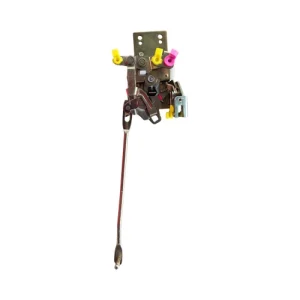
- Inspect the linkage at the level valve. The rod should be straight, the ball ends should be seated and the clamp should be tight. A bent rod from a knock or a cab repair sends false height information to the valve — and a valve acting on a false signal will inflate the springs until they burst.
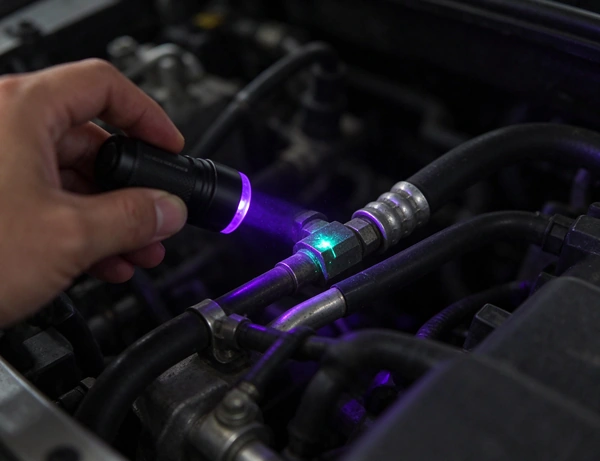
- Leak-test each spring and every line. Soapy water on the bellows, the top and bottom plates, the fittings and the valve body. Test at working pressure, not with the system drained.
- Listen at the valve exhaust. Continuous venting with the cab stationary means the valve is not holding. Intermittent venting while the cab settles is normal.
- Check the shock absorbers. A cab with working springs and dead shocks rides like a truck with no suspension. Oil film on the body or a dead zone in the stroke means replacement.
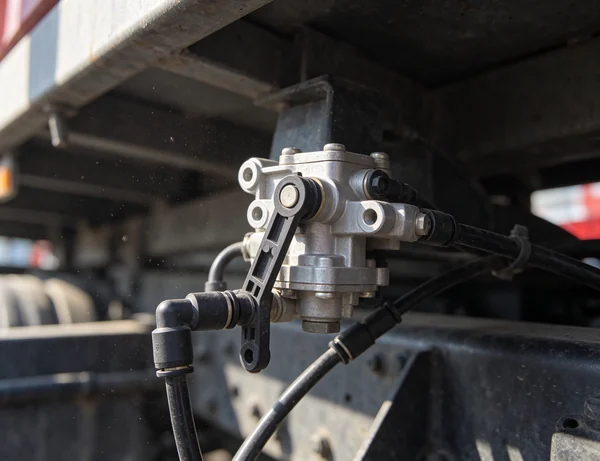
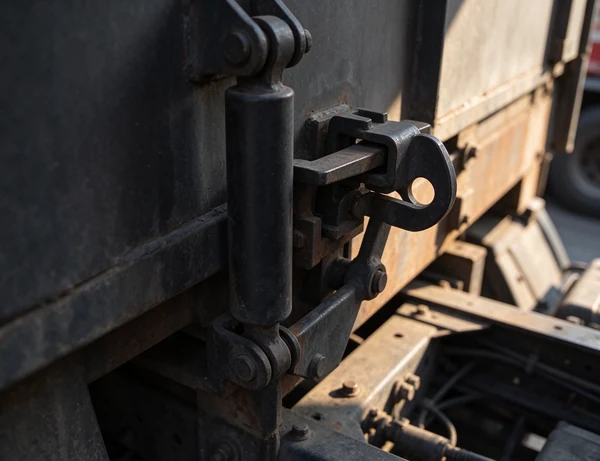
Level valve and linkage. A bent or mis-clamped rod is the most common cause of a cab that sits wrong.
3. Symptom to cause
4. Why the linkage matters more than people think
The failure chain: a bent linkage tells the valve the cab is lower than it is. The valve adds air to correct a height error that does not exist. The springs inflate beyond design pressure. The bellows fail at the roll, or a top plate separates. The springs get replaced, the linkage stays bent, and the new springs fail the same way — this is one of the most common repeat repairs on air-suspended cabs.
5. Errors to avoid
Do not adjust the linkage to make the cab “look right” without measuring. The correct height is a specified dimension, not an opinion. Adjusting by eye moves the control point and changes how the springs load, which affects ride, cab mount life and even the clearance around the steering column and wiring.
- Replacing all four springs for one leak. Diagnose per corner; the other three are usually fine.
- Testing with the system empty. A leak test needs working pressure — otherwise every joint looks perfect.
- Ignoring oil on the bellows. Oil from the engine or a leaking fitting degrades the rubber and the spring fails early.
- Forgetting the cab mounts. Worn mount rubbers produce noise and movement that springs cannot fix.
6. Questions drivers ask most
My cab drops overnight. Is that normal?
A slight settle is normal. A cab resting on its bump stops, or one that takes a long time to rise, is leaking. Test at working pressure with soapy water and check the valve exhaust.
Why does the cab lean only when loaded?
Load changes frame deflection, which changes the measured gap at the level valve. If one linkage is already at the edge of its range, the loaded attitude exposes it. Measure both sides loaded and empty.
Can I drive with a leaking cab spring?
Short distance, yes, but the valve will keep compensating and the compressor will run continuously. A spring that bursts on the road can damage the cab mount and the lines around it.
Does the air suspension share the brake air circuit?
It draws from the same compressed air supply but through its own protection and control. A cab suspension leak will make the compressor cycle more often, which shows up as slow brake build-up and increased moisture in the dryer.
Need cab air springs, a level valve or the linkage rod for your Sinotruk cab? Send the cab type and chassis number.
Send your requestRide height dimensions and valve adjustment figures are specific to each cab build. Confirm them in the OEM workshop manual before adjusting the linkage.