

Short answer: The differential lock is engaged by an air cylinder that pushes a sliding dog into mesh with the differential case. Engagement requires three things: air pressure at the cylinder, a solenoid that commands it, and a sliding dog that is free to move. When it does not engage, drivers usually report no light on the dash, and the workshop sometimes opens the axle before checking the air side.
The correct order is air, then command, then mechanism. The first two are cheap tests and they resolve most faults.
An axle that is opened unnecessarily costs days of downtime for a fault that was a dirty solenoid connector.
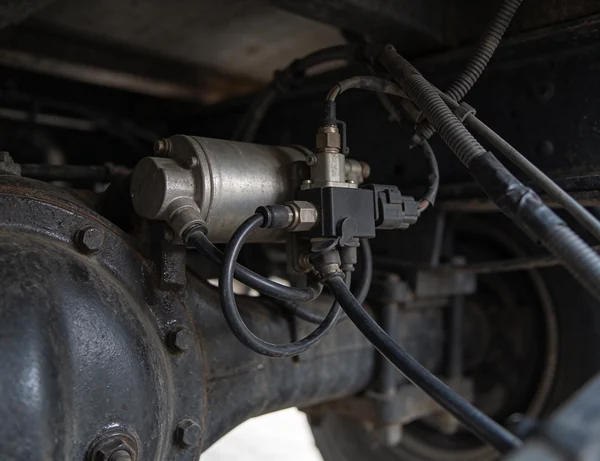
With the system charged, operate the switch and check for pressure at the cylinder. No pressure means the fault is upstream: the solenoid, its wiring, the switch or the supply.
Then check the cylinder stroke. If pressure is present and the rod does not move, the cylinder is seized or the sliding dog is jammed.
The dog teeth must align before they can mesh. If the driver operates the lock while the wheels are turning at different speeds, the teeth may not engage until the speeds match.
Some systems also require the vehicle below a certain speed. Operating outside those conditions is not a fault, and the manual states them.
| Condition | Result | Note |
|---|---|---|
| Air at cylinder, rod moves | Lock should engage | If not, the dog is jammed |
| No air at cylinder | No engagement possible | Test solenoid and supply |
| Wheels turning at different speeds | Teeth may not align | Stop or slow the wheels |
| Engages and releases | Air leak or switch fault | Check holding pressure |
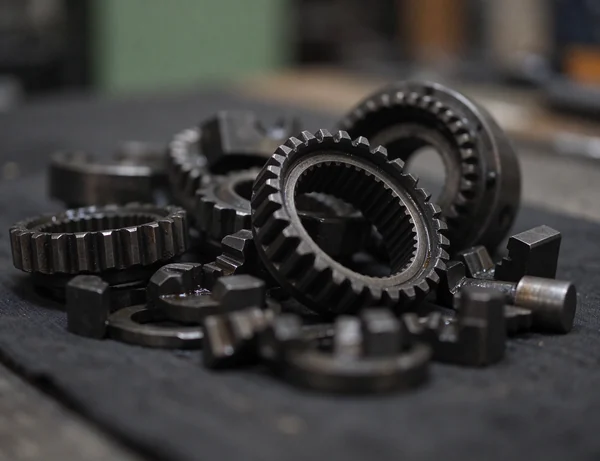
The lock is for low traction at low speed. Engaging it on a hard surface while turning loads the driveline and damages the dog teeth and the differential.
After a repair, test engagement on a loose surface at low speed and confirm the indicator and release both work.
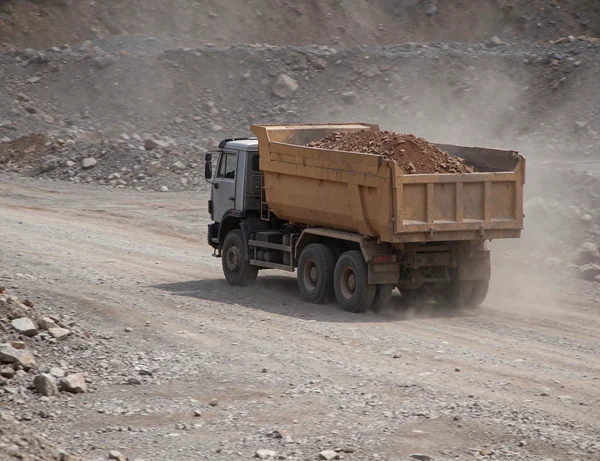
Engagement conditions and part numbers are model specific. Confirm them in the OEM manual.
Please contact our team for personalized maintenance guidance and technical support for your Sinotruk HOWO, A7, or T7 trucks. We provide professional advice and recommendations for genuine parts to help ensure the reliable operation of your fleet.
Contact Us
Whenever your truck needs repair, you don’t know how to buy the right parts?
Don’t worry, we have already done this job for you. We have a complete parts list catalog for different models of each truck assembly, you can choose the right catalog to download and collect according to your truck configuration.
When you have a need, you can send us your required list based on this catalog.
Obtain the complete Howo truck parts catalog PDF file and pricing.
Contact Us
2001-2026 Shandong Yimo Auto Sales Co., Ltd. © All rights reserved.


