

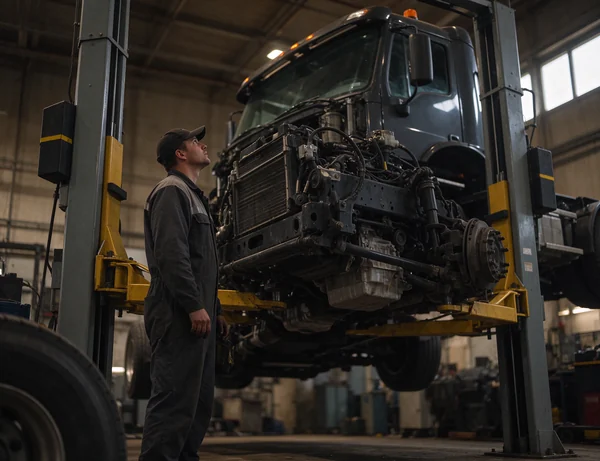
Short answer: before you replace a failed part, spend twenty minutes proving that it is the part that failed. On a truck, the component that stopped working is usually the one that noticed a problem elsewhere — a sensor that reported a fault in a healthy system, a gearbox blamed for a failing clutch, a turbo blamed for a boost leak. The three habits that prevent repeat repairs are: measure before dismantling, read the fault codes as evidence rather than as verdicts, and photograph or record the old part’s condition for comparison after the new one is fitted.
Every experienced technician has the same story. The part was replaced, the truck ran well for a week, and the fault returned. The cause was never the part, and the cost of the second repair is always higher because the first one added new variables. That is the reason a short, disciplined pre-replacement check is worth more than any single diagnostic tool.
| Blaming | Actual fault | The test that separates them |
|---|---|---|
| Turbocharger | Boost leak, or a restricted intake | Pressurise the charge-air system; measure boost against specification |
| Gearbox or clutch | Engine power loss, or a sensor reporting false torque | Compare road speed with engine speed under load |
| Fuel pump | Air ingress, a blocked filter or a restricted return | Measure supply and return pressures before condemning the pump |
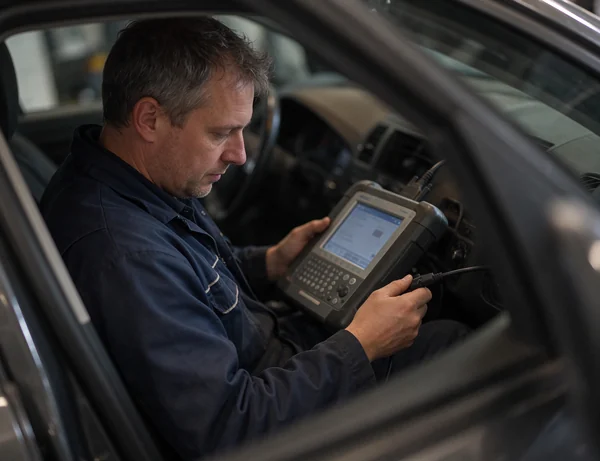
| ECU or module | Poor earth, corroded connector or low voltage | Voltage drop test and load test the supply; inspect the pins |
| Radiator | Fan, thermostat, or a heat source like over-fuelling | Measure temperatures at three points and watch the fan |
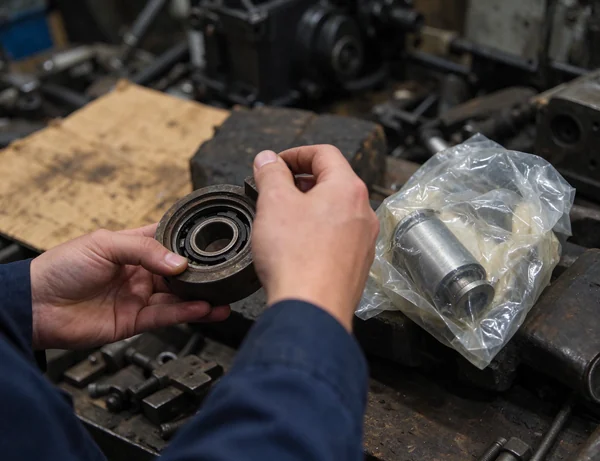
Verification is part of the repair, not an optional extra. Re-run the same measurement you took before, under the same conditions, and compare. Then check the things the repair could have disturbed: fluid levels, fastener torque, connector security, and any code that appears on the first test drive. A repair that is not verified is a guess with a receipt, and the customer will find out on the road, at night, with a load on.
Diagnostic procedures, specifications and part numbers are model-specific. Confirm them in the OEM manual and always verify a repair with the same measurement used to find the fault.
Please contact our team for personalized maintenance guidance and technical support for your Sinotruk HOWO, A7, or T7 trucks. We provide professional advice and recommendations for genuine parts to help ensure the reliable operation of your fleet.
Contact Us

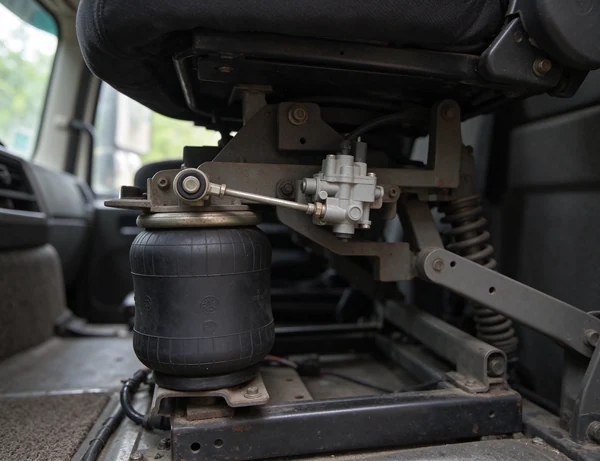
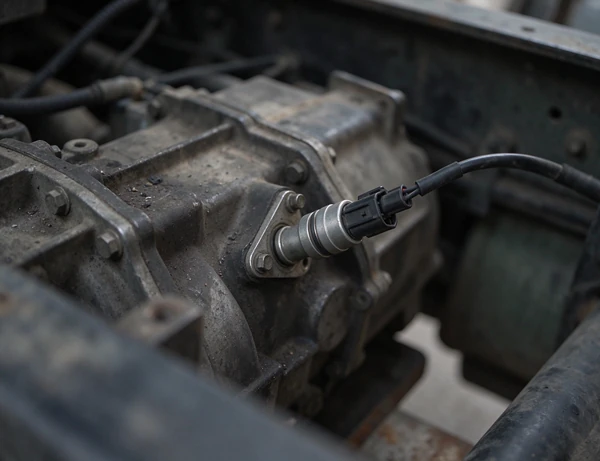
Whenever your truck needs repair, you don’t know how to buy the right parts?
Don’t worry, we have already done this job for you. We have a complete parts list catalog for different models of each truck assembly, you can choose the right catalog to download and collect according to your truck configuration.
When you have a need, you can send us your required list based on this catalog.
Obtain the complete Howo truck parts catalog PDF file and pricing.
Contact Us
2001-2026 Shandong Yimo Auto Sales Co., Ltd. © All rights reserved.


