

Short answer: A high pressure fuel pipe on a common rail engine carries enough pressure to cut a hand and enough fuel to start a fire on a hot manifold. Leaks almost always appear at the joint, and they are found with a dry paper test rather than a bare hand. The fitting rules matter as much as the part: new pipe, correct torque, no bending, and both ends supported.
The symptom is a diesel smell after a run and a damp patch at a joint, often with a faint whitish deposit where fuel has leaked and evaporated. Power may be normal, because the leak is small and the pump compensates until the leak grows.
The dangerous part is diagnosis. A pin hole at rail pressure sprays a fine mist that is invisible until it hits skin, and injection injuries from diesel are a surgical emergency.
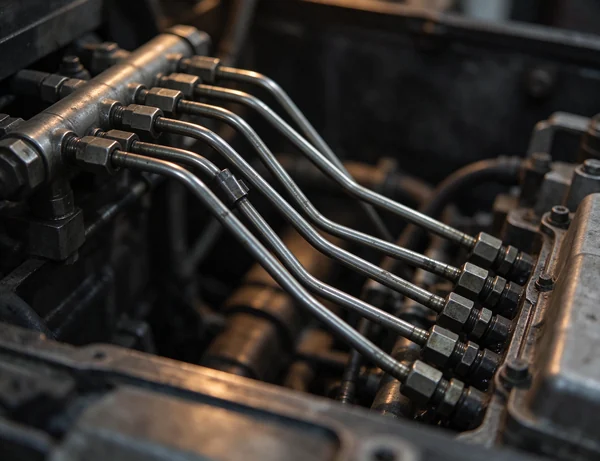
With the engine idling, hold a piece of dry white paper near each joint in turn. A leak will mark the paper with a fine spray within seconds. Do this with the engine at idle only, never at load, and never with a bare hand or a finger.
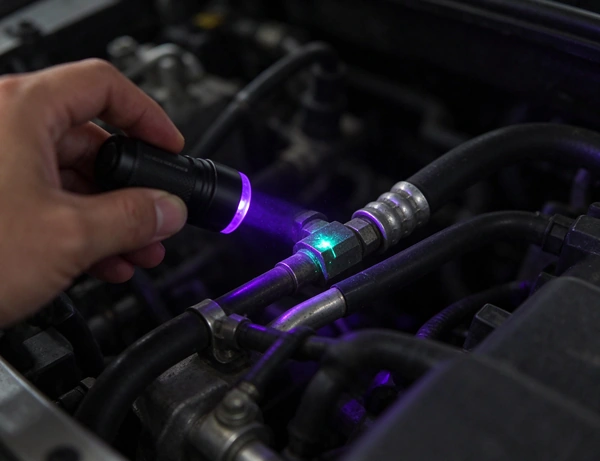
A torch used at an angle shows the mist as a faint shimmer. Cardboard works as well as paper and is less likely to be mistaken for a rag left in the engine bay.
High pressure pipes are single use items on common rail systems. A pipe that has been distorted by tightening, bent to fit, or reused has a seat that will not seal again at full pressure.
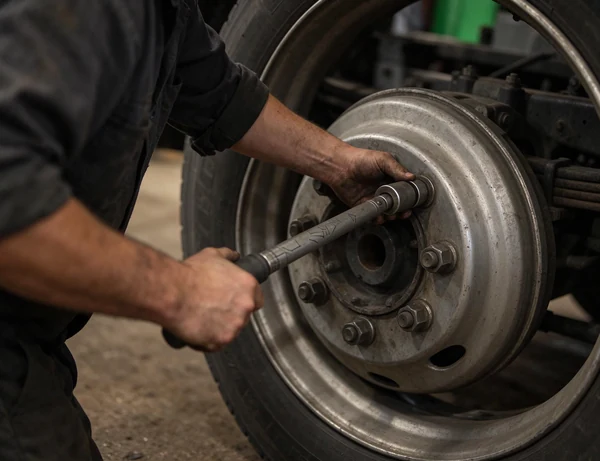
Fit the pipe with both ends free, torque the joints to the specified value with the correct crowfoot, and check that the pipe is not touching anything that vibrates. A pipe that is loaded by contact will fatigue and crack at the joint.
| Situation | Correct action | Never |
|---|---|---|
| New pipe going on | Both ends free, torque in spec | Bend the pipe to fit |
| Joint leaking after one tighten | Replace the pipe | Tighten harder |
| Pipe touching a bracket | Adjust or replace the bracket | Leave it loaded |
| Reusing a pipe from another engine | Not acceptable | Fit a used pipe |
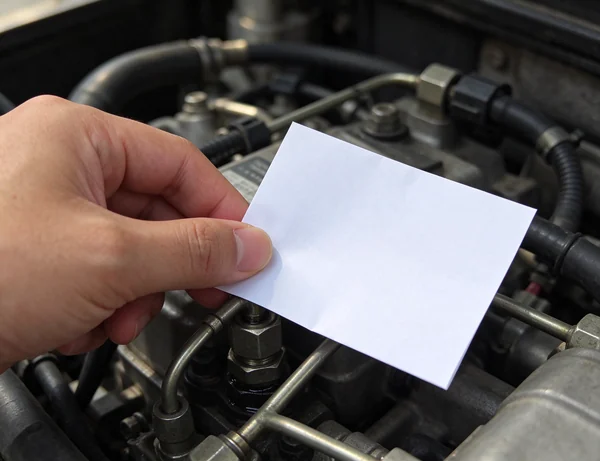
Run the engine at idle for five minutes, then check every joint you touched with dry paper again. Take a short road test at load and re-check, because a joint that holds at idle can still mist at full rail pressure.
Clean the area of leaked fuel before returning the truck, and check the exhaust side for any fuel that has collected. A diesel spill on a hot manifold can ignite hours later on the next climb.
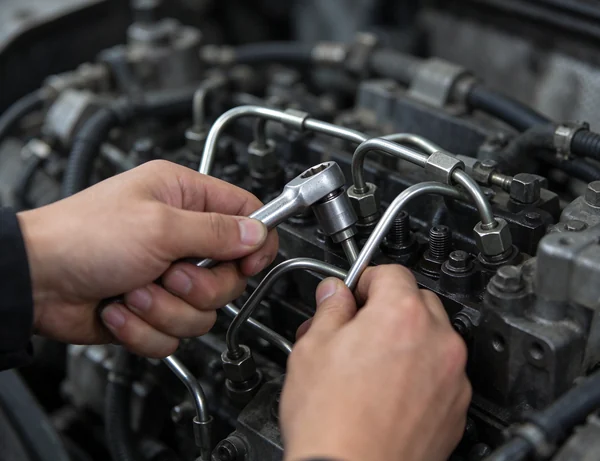
Pipe part numbers and torque values are engine specific. Confirm them in the OEM manual and use the correct crowfoot.
Please contact our team for personalized maintenance guidance and technical support for your Sinotruk HOWO, A7, or T7 trucks. We provide professional advice and recommendations for genuine parts to help ensure the reliable operation of your fleet.
Contact Us
Whenever your truck needs repair, you don’t know how to buy the right parts?
Don’t worry, we have already done this job for you. We have a complete parts list catalog for different models of each truck assembly, you can choose the right catalog to download and collect according to your truck configuration.
When you have a need, you can send us your required list based on this catalog.
Obtain the complete Howo truck parts catalog PDF file and pricing.
Contact Us
2001-2026 Shandong Yimo Auto Sales Co., Ltd. © All rights reserved.


