

Short answer: On a range change gearbox, the splitter and the range cylinder are moved by air pressure, and the driver’s switch simply commands the air. When the change does not complete, the truck stays in the low range or refuses to go to high, and the driver often reports it as a broken gearbox. The fault is almost always in the air supply, the cylinder seals, the control valve or the switch, and all of these are external.
The range cylinder has two positions and a piston with seals. If the seals leak, the piston does not complete its stroke and the change is left half done, which produces grinding or a gear that will not engage.
Air supply problems behave the same way: a restricted line or a sticking valve gives the cylinder less force than it needs to move against the spring and the load.
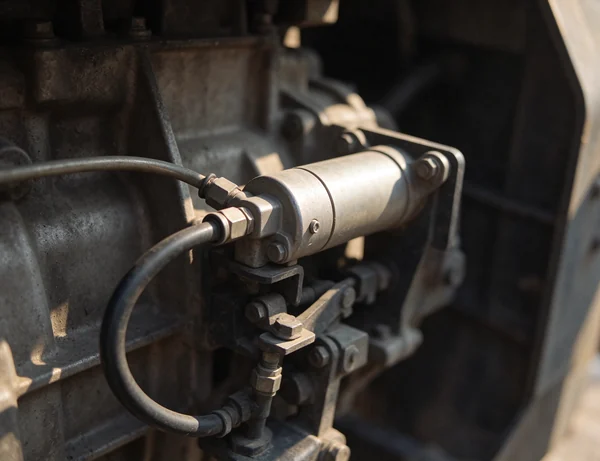
With the engine running and air pressure up, operate the range switch and listen at the cylinder. A healthy change produces a distinct movement and a short air release. No noise at all means the valve or the switch is not commanding.
Then check the supply pressure at the cylinder and compare it with the system pressure. A restriction in the line or a partially closed valve reduces the force available and produces a slow, incomplete change.
Cylinder seals wear and let air bypass the piston, so the stroke is short. The change is then incomplete and the gearbox grinds, which damages the synchroniser if it is repeated.
The control valve and the switch are the electrical and pneumatic parts of the same function. A switch that works intermittently produces a fault that appears and disappears, which frustrates diagnosis until the switch is tested directly.
| Symptom | Suspect | Check |
|---|---|---|
| No air noise on change | Switch, solenoid or valve | Command and supply at the valve |
| Slow change both ways | Low supply or worn seals | Pressure at cylinder |
| Oil at cylinder boot | Piston seal | Replace seals or cylinder |
| Change incomplete, grinding | Short stroke | Stroke measurement and adjustment |
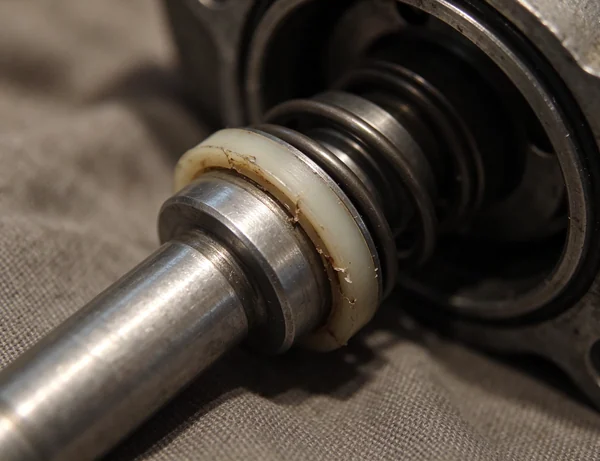
Repeated incomplete range changes wear the synchroniser and eventually produce a gearbox that will not stay in range. Repair the air fault before that happens, and instruct drivers not to force the change by repeated switching.
After any repair, confirm the change completes in both directions with the truck stationary and then at low speed, and check the air system for water that could freeze in winter.
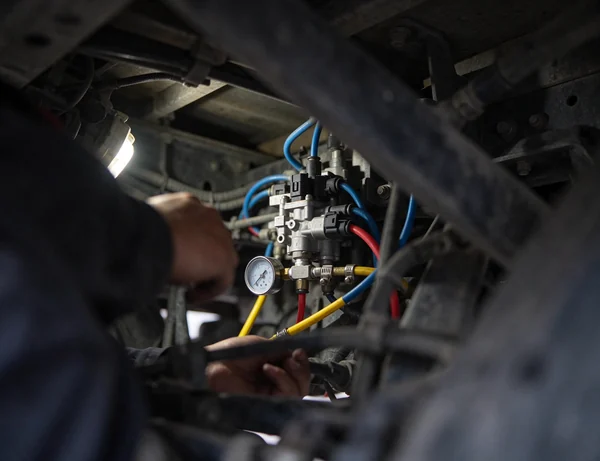
Cylinder part numbers and stroke adjustments are gearbox specific. Confirm them in the OEM manual.
Please contact our team for personalized maintenance guidance and technical support for your Sinotruk HOWO, A7, or T7 trucks. We provide professional advice and recommendations for genuine parts to help ensure the reliable operation of your fleet.
Contact Us

Whenever your truck needs repair, you don’t know how to buy the right parts?
Don’t worry, we have already done this job for you. We have a complete parts list catalog for different models of each truck assembly, you can choose the right catalog to download and collect according to your truck configuration.
When you have a need, you can send us your required list based on this catalog.
Obtain the complete Howo truck parts catalog PDF file and pricing.
Contact Us
2001-2026 Shandong Yimo Auto Sales Co., Ltd. © All rights reserved.


