Short answer: a harsh or delayed shift on a C9H automated manual transmission is usually not a gearbox failure. It is one of three things in order of likelihood: air pressure or an air leak in the shift actuator circuit, a clutch that has worn past its calibration window, or oil that is no longer doing its job. Oil condition and clutch calibration should be checked before anyone talks about a transmission overhaul.
Automated manual transmissions fail in a different sequence from manual gearboxes. The mechanical gear set is usually the last thing to fail, because the electronics will not let a badly worn clutch or a leaking actuator keep working quietly. That is good news for the owner: the diagnostic path is short and mostly external.
QUICK DIAGNOSIS — check these three before removing anything
- 1Air supply. The shift and clutch actuators are pneumatic. Low pressure or a small leak gives exactly the symptoms of a worn gearbox.
- 2Clutch calibration. Every AMT needs its clutch wear values re-learned after replacement or after a long period of stop-start work.
- 3Oil condition. Wrong grade, water contamination or metal in the oil all change shift quality before they cause a hard failure.

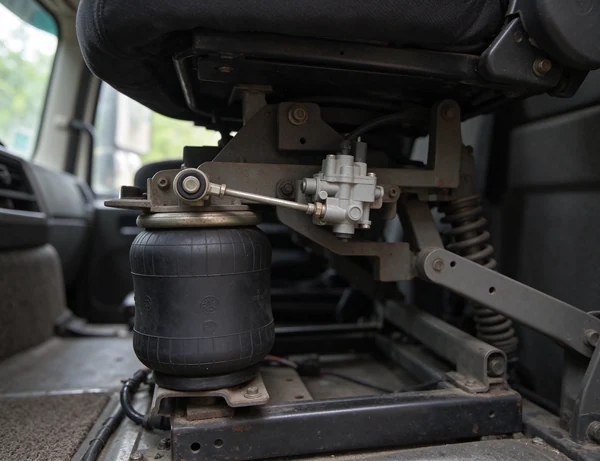
Long-haul C9H tractors. Shift quality complaints usually appear after a season of heavy stop-start work.
1. Describe the fault in transmission terms, not driver terms
“It shifts badly” covers at least five different faults. Ask for the specific behaviour:
- Harsh engagement from a stop — clutch take-up rate, not gear selection.
- Delay between gears under load — air pressure, actuator response, or a worn synchro if the unit is a manual-based AMT.
- Refuses a gear when cold, accepts it when warm — oil viscosity or a sticking selector valve.
- Drops out of gear on a climb — mechanical wear in the gear train or a pressure problem, and this one should be treated as urgent.
- Fault code plus limp mode — sensor or actuator circuit; the mechanical box is usually fine.
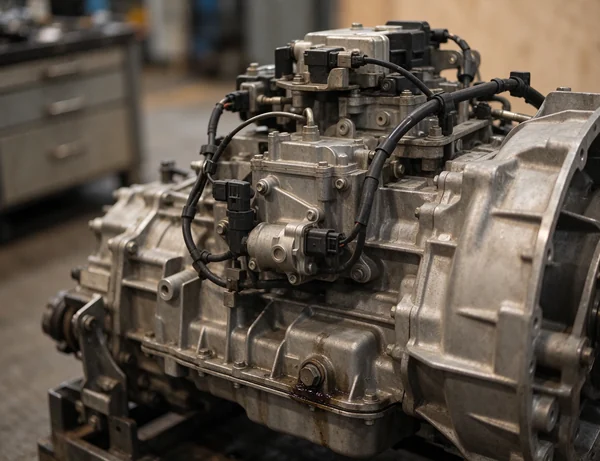
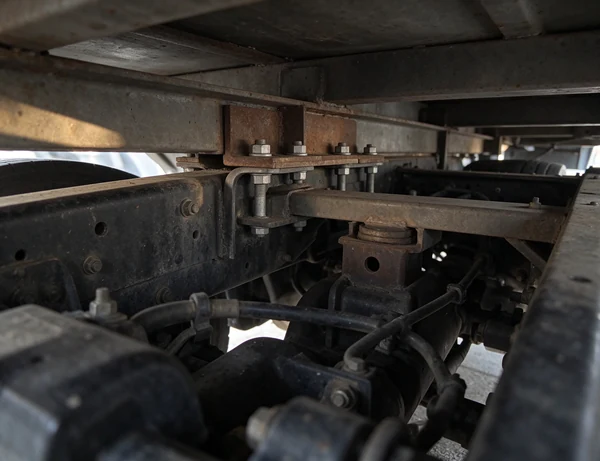
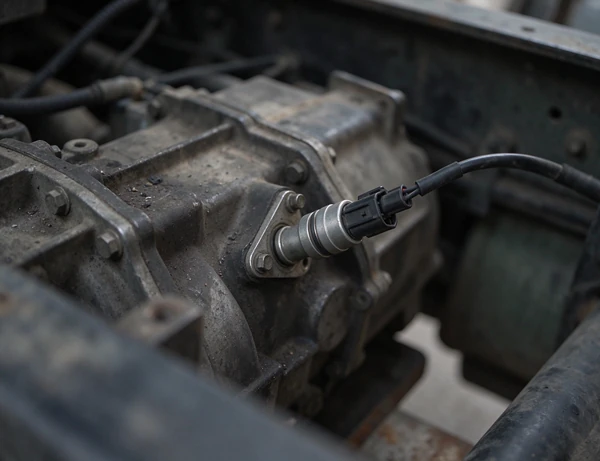
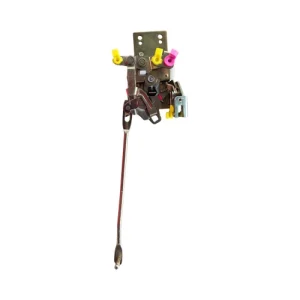
The AMT unit with its shift actuator and harness. Most faults live on the outside of the box.
2. Air first, because it costs nothing to check
- Charge the system and read the gauge. Shift quality depends on having full working pressure available at the actuator, not just at the tank.
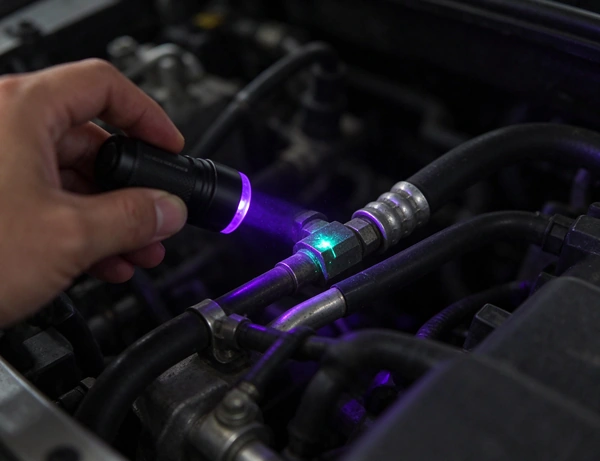
- Leak-test the actuator lines. With the engine off and the system charged, listen and use soapy water at every union on the shift and clutch actuator. A small leak that is inaudible in a running workshop is enough to slow a shift.
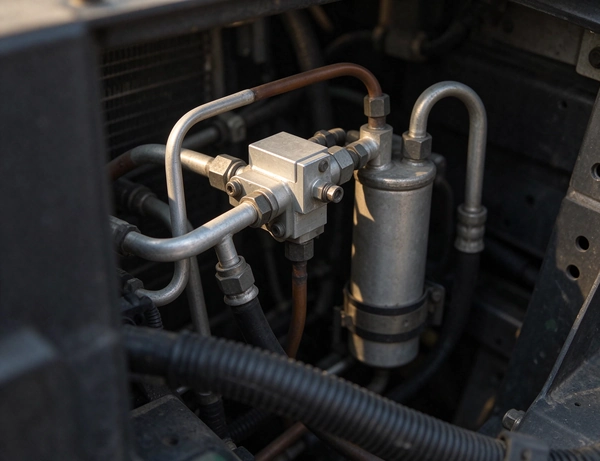
- Check the air filter and dryer. Moisture and oil in the AMT air circuit cause sticky valves and iced actuators in winter. If the tanks drain wet, treat the dryer as part of the gearbox service.
- Confirm the actuator strokes. Compare the measured travel against the specification for your transmission model. A partly seized actuator gives a slow, soft shift rather than a hard fault.
Field pattern: when a truck shifts well for the first hour and badly after that, suspect heat and air rather than oil. When it shifts badly from cold and improves as it warms, suspect oil viscosity or a valve sticking.
3. Oil: the grade matters more than the interval
Automated manual transmissions on this truck family do not all take the same lubricant as the equivalent manual box. Some builds use a dedicated transmission fluid, others a specific gear oil grade. Fitting the wrong one produces exactly the complaint drivers describe as a “worn gearbox”: notchy selection, noise in intermediate gears and a slow shift when cold.
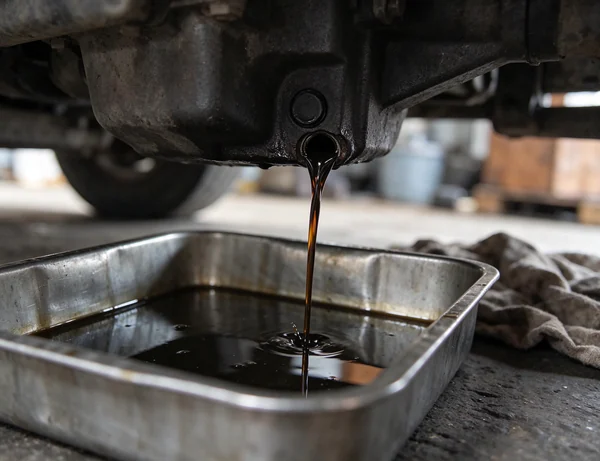
Draining the transmission. Read the oil before it hits the tray — colour and metal content are diagnostic.
- Colour and smell. Dark but transparent is normal. Milky means water. Burnt smell means overheating, often from a cooling or load problem rather than the oil itself.
- Metal content. Fine grey paste on the drain plug magnet is normal wear. Flakes, or a magnet covered in a thick fur, means something is failing mechanically.
- Level check procedure. Follow the manual exactly — many of these units are checked with the engine running at a specific temperature, and checking cold gives a false reading.
4. Clutch calibration and wear values
An AMT clutch is a wear item and the controller tracks its wear. When the wear value reaches the limit, the controller can no longer compensate and shift quality collapses. Two things are worth knowing:
- After any clutch replacement the calibration must be run before the truck goes back into service. Skipping it is the most common cause of “the new clutch still shifts badly”.
- Long idling and creeping in traffic wears a clutch faster than highway work. A tipper or a refuse truck will always need calibration sooner than a line-haul tractor.
5. Errors that turn a cheap fix into an overhaul
Do not re-learn the clutch on a mechanically worn clutch to “make it drive better”. Calibration compensates for wear within a window. Pushing a worn clutch back into the window hides the wear and can damage the friction surfaces and the release mechanism.
- Replacing the transmission for an air leak. The most expensive mistake in this list.
- Mixing oils. Topping up with whatever is on the shelf changes viscosity and friction characteristics, and shift quality follows.
- Ignoring the air dryer. Water in the actuator circuit is a gearbox problem even though the gearbox is not at fault.
- Skipping the post-repair road test. AMT faults often only appear in the third or fourth shift under load, not in the yard.
6. Questions drivers ask most
Why does my C9H AMT shift badly only when loaded?
Load changes the torque the clutch must handle and the time the actuator needs. A marginal air supply or a clutch at the end of its wear window is adequate empty and inadequate loaded.
Can I drive with a shift fault code showing?
If the transmission is still selecting all gears and not dropping out under load, drive it to a workshop and avoid heavy climbs. If it drops out of gear or refuses a range, stop — continuing can damage the gear train.
How often should the AMT oil be changed?
Follow the interval in the manual for your transmission model, and shorten it for stop-start or dusty work. Condition matters more than distance: water or metal in the oil means change it regardless of the interval.
Does a new clutch always need recalibration?
Yes. The controller has learned the old clutch’s wear position. Without calibration it applies the old values to the new clutch and the shift quality will be wrong.
Looking for an AMT clutch kit, shift actuator, oil or filter for your C9H? Send the transmission model from the plate and we will match it.
Send your requestOil grade, capacity and calibration procedures vary by transmission build. Always confirm against the plate on the unit and the OEM workshop manual before servicing.